Eating Right: A Complete Guide to Balanced Nutrition
Good nutrition is the cornerstone of good health. Yet with so much conflicting advice out there, eating right can feel overwhelming. The truth is simpler than you think: balanced nutrition is about variety, moderation, and choosing whole foods most of the time. Here's your complete guide.
Build Your Plate the Smart Way
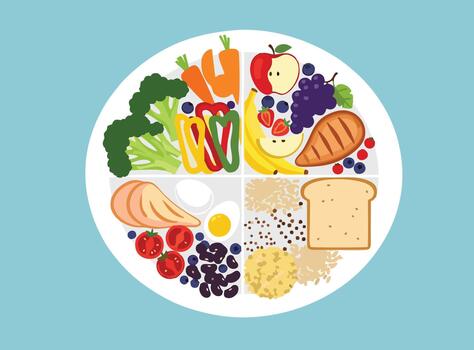
A simple visual guide works wonders: fill half your plate with colorful vegetables and fruits, a quarter with lean protein such as fish, poultry, beans, or lentils, and the remaining quarter with whole grains like brown rice, quinoa, or whole wheat. This balance delivers sustained energy and essential nutrients in every meal.
Don't Fear Healthy Fats
Fats are essential for brain health, hormone production, and nutrient absorption. Focus on unsaturated fats from sources like avocados, nuts, seeds, olive oil, and fatty fish. Limit trans fats and heavily processed oils wherever possible.
Hydration Is Nutrition Too
Water plays a role in nearly every bodily function — from digestion to temperature regulation to joint lubrication. Make water your primary beverage, and flavor it naturally with lemon, cucumber, or mint if you prefer variety.
Watch Out for Hidden Sugars and Salt
Processed and packaged foods often contain surprising amounts of added sugar and sodium. Get into the habit of reading labels, and cook at home more often so you control exactly what goes into your meals.
Plan Ahead to Stay on Track
Meal planning is one of the most powerful nutrition habits. Preparing meals and healthy snacks in advance helps you avoid impulsive, less nutritious choices when life gets busy.
Enjoy Treats in Moderation
Balanced nutrition isn't about deprivation. Allowing yourself occasional treats — enjoyed mindfully — makes healthy eating sustainable for the long term. It's your overall pattern of eating that matters most.
Want a personalized nutrition plan?
Our wellness and nutrition specialists can create a plan tailored to your body, goals, and lifestyle.
Book a Consultation